If your Simsbury home already has strong features, you may be closer to a great sale than you think. In a market where homes moved in a median of 21 days in April 2026 and sold at a 102% sale-to-list ratio, presentation can help you turn early buyer interest into stronger offers. The right staging strategy helps your home feel polished, easy to picture living in, and ready for the market. Let’s dive in.
Why staging matters in Simsbury
Simsbury is a seller’s market, but that does not mean every home sells the same way. With 52 homes for sale in April 2026 and a median listing price of $550,000, buyers still compare condition, layout, and overall presentation when deciding where to focus their attention.
That is where staging can make a real difference. According to the National Association of Realtors 2025 Profile of Home Staging, 83% of buyers’ agents said staging made it easier for buyers to visualize a property as a future home. That matters in Simsbury, where many buyers are shopping in a price range where expectations for upkeep and presentation are often higher.
Staging can also support your bottom line. In the same NAR report, 17% of buyers’ agents said staging increased the dollar value offered by 1% to 5%, while 19% of sellers’ agents reported a 1% to 5% increase in the dollar value offered.
Focus on first impressions
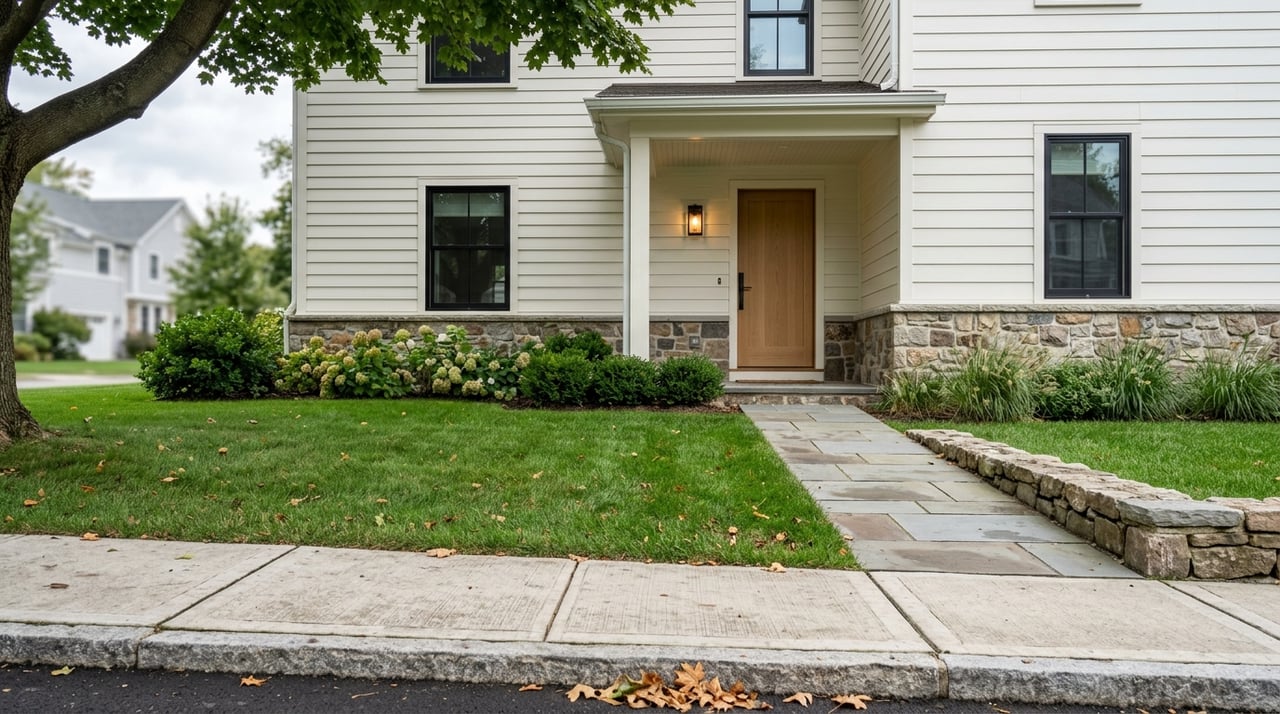
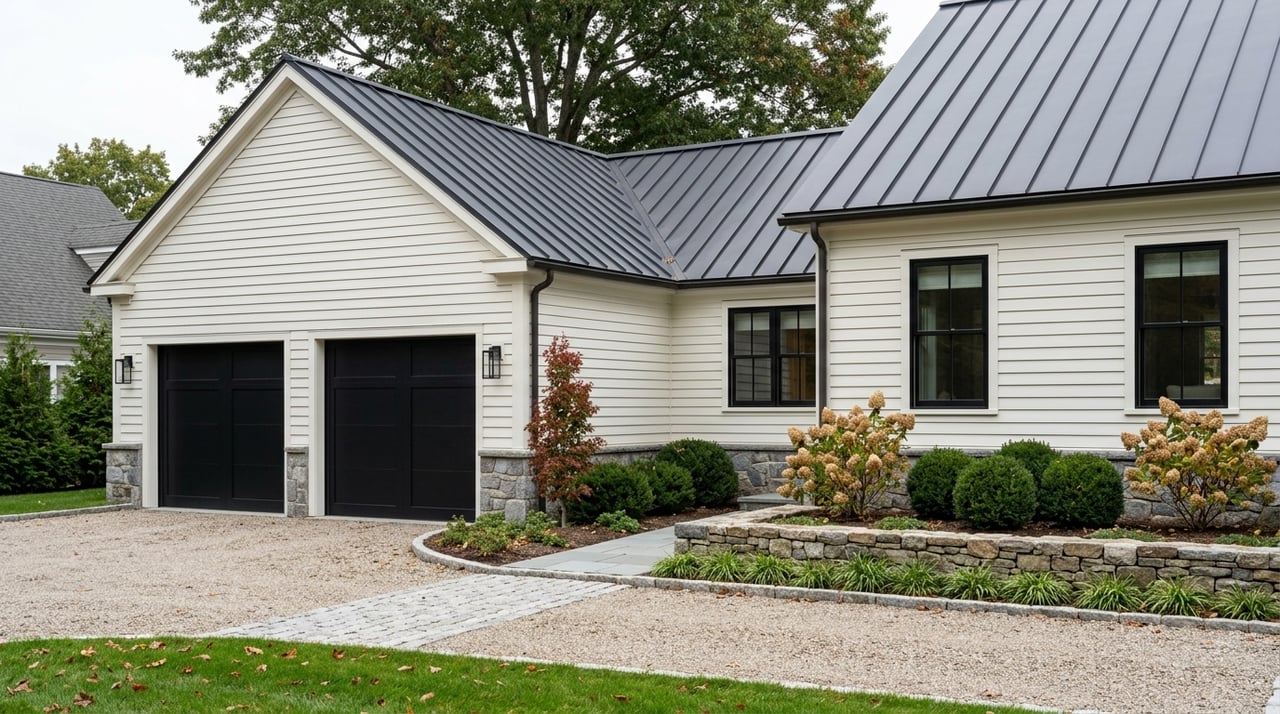
Your buyer starts forming an opinion before they walk through the front door. In a town known for scenic roads, historic homes, farms, trails, and outdoor recreation, your exterior should feel cared for, simple, and inviting.
NAR recommends a clean front door area, a welcome mat, manicured landscaping, and small potted plants. For many Simsbury homes, that can mean trimmed shrubs, crisp edging, swept walkways, and a front entry that looks intentional without feeling overdone.
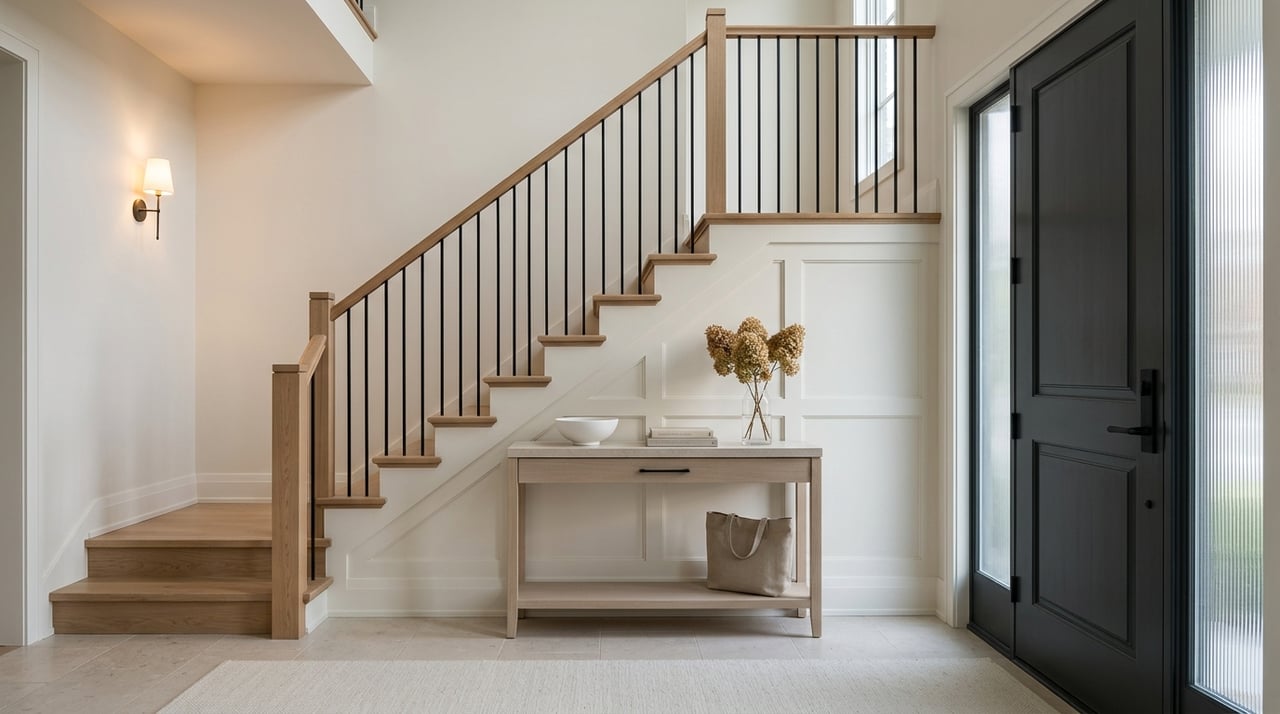
The foyer and main traffic areas matter just as much. Buyers notice the spaces they move through first, so those areas should be bright, uncluttered, and easy to navigate. A clean, open entry helps set the tone for the rest of the showing.
Stage the rooms buyers notice most
Not every room needs the same level of effort. If you want the best return on your time and budget, start with the rooms that buyers’ agents say matter most.
According to NAR’s 2025 staging report, the top spaces to stage are:
- Living room
- Primary bedroom
- Kitchen
These rooms often shape the emotional response buyers have to a home. If they feel clean, balanced, and easy to live in, the rest of the property tends to show better too.
Living room strategy
The living room was ranked as the most important room to stage by 37% of buyers’ agents. That means this space deserves extra attention before photos and showings.
Start by removing extra furniture so the room feels open and easy to move through. Choose a layout that highlights conversation, comfort, and scale. In many Simsbury homes, that means letting architectural details, natural light, or fireplace features stand out instead of competing with bulky decor.
Primary bedroom strategy
The primary bedroom should feel restful and spacious. Buyers respond well to a room that feels calm, neutral, and easy to personalize.
Simple bedding, limited accessories, and a clean nightstand setup can go a long way. If the room has heavy colors or a dated look, neutral paint or updated linens may help create a more current impression.
Kitchen strategy
You do not need a full remodel to make your kitchen show well. NAR’s consumer guidance emphasizes creating a clean, neutral backdrop, not turning the house into a design showcase.
Clear the counters, remove anything highly personal, and keep only a few intentional items out. If needed, small cosmetic updates and a deep clean can sharpen the overall impression and help the kitchen feel more move-in ready.
Give every flex space a clear job
One of the most common mistakes sellers make is leaving an extra room undefined. If a buyer cannot quickly understand how a space might be used, that room can feel smaller or less valuable.
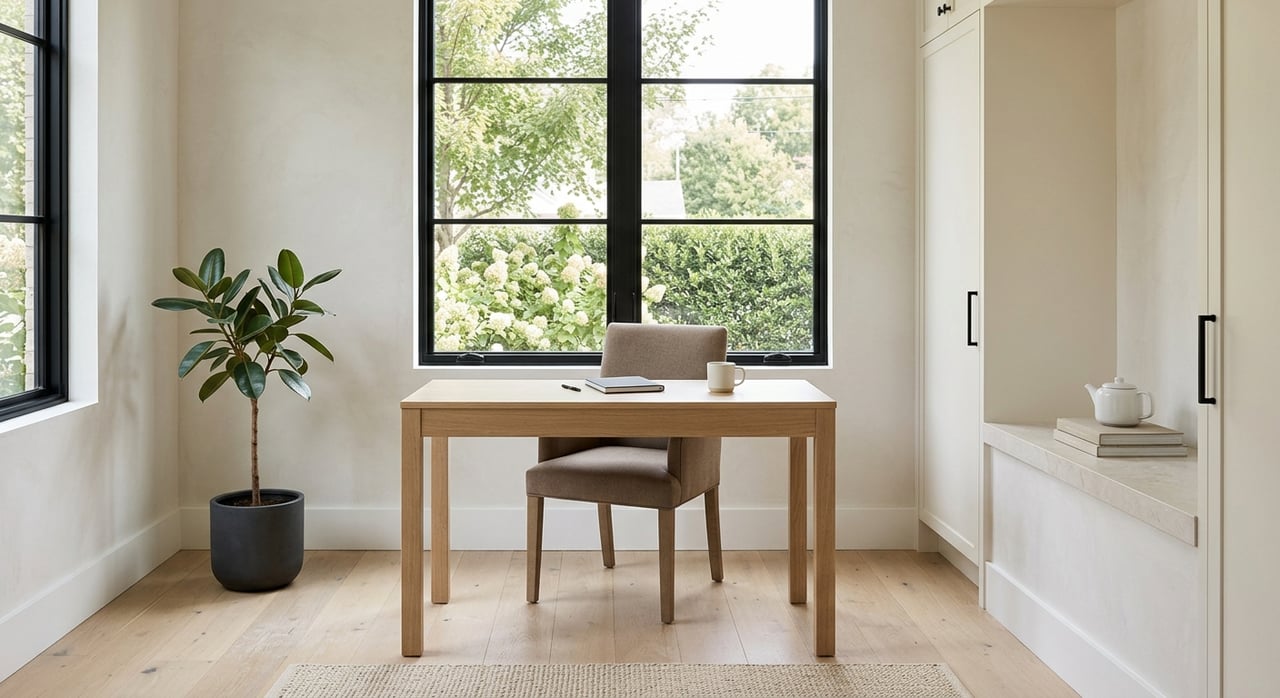
NAR includes home office space among the commonly staged areas. In Simsbury, that can be especially helpful for buyers who want a work-from-home area, study zone, or quiet retreat.
If you have a bonus room, small den, or spare bedroom, give it one clear purpose. A simple desk setup, reading chair, or neatly arranged guest room helps buyers connect the layout to real life.
Make outdoor space feel usable
Outdoor presentation is especially important in Simsbury. The town’s identity is closely tied to the Farmington River, parks, trails, biking, and recreation, so buyers may pay close attention to how your home connects to the outdoors.
NAR includes outdoor and yard space among the commonly staged areas. That means your porch, deck, patio, or backyard should look ready to enjoy, not like a project waiting to happen.
Clean surfaces, simplify furniture, and create one obvious use for each area. A small seating arrangement on a patio or a tidy dining setup on a deck can help buyers imagine how the space fits their routine in every season.
Use staging to improve photos too
Staging is not just for in-person showings. It should be done before your listing photos, video, and virtual tours are created.
That timing matters because NAR’s 2025 survey found that buyers’ agents rated photos, physical staging, video, and virtual tours as important listing media. Sellers’ agents also placed very high importance on photos and video.
In other words, your online presentation often creates the first showing. If your home looks clean, bright, and well-composed in the media package, you have a better chance of earning strong early interest.
Prioritize simple updates over major projects
Many sellers assume they need to renovate before listing. In reality, staging usually works best when you treat it as a presentation strategy, not a remodeling plan.
NAR recommends neutral paint where needed, removing bulky furniture, decluttering closets, and keeping high-traffic areas spotless. These lower-cost changes can make your home feel more polished without adding the delay, stress, or expense of a major renovation.
That approach fits well in Simsbury, where buyers are often looking for homes that feel well-maintained and easy to step into. Small cosmetic improvements can sharpen the impression of quality and care.
A practical staging checklist
If you are preparing to sell, this is a smart order of operations:
- Declutter and depersonalize by removing personal photos, visible toiletries, medicines, firearms, and valuables.
- Edit storage areas so closets are about half full and feel more spacious.
- Refresh the front entry with a clean approach, neat landscaping, and an unobstructed foyer.
- Stage the main rooms first including the living room, primary bedroom, and kitchen.
- Define flex spaces so each extra room has a clear purpose.
- Clean and arrange outdoor areas so buyers can picture using them.
- Complete staging before photography so your listing media shows the home at its best.
Full staging is not always necessary
A smart staging plan does not have to mean furnishing the entire home. NAR found that only 21% of sellers’ agents staged all sellers’ homes, while 10% staged only homes that were difficult to sell.
That suggests partial staging and staging consultation are common, practical options. For many Simsbury sellers, the best plan is to focus on the most visible rooms, tighten up the layout, and improve the details that affect first impressions.
Budget matters too. In NAR’s survey, the median spend on a professional staging service was $1,500, compared with $500 when the seller’s agent personally staged the home. That reinforces an important point: staging is typically a targeted presentation expense, not a major capital project.
Common staging mistakes to avoid
Even beautiful homes can lose momentum if the presentation feels distracting. A few common issues can make it harder for buyers to focus on the home itself.
Watch out for these mistakes:
- Overcrowded rooms
- Bold or distracting paint colors
- Highly personal decor
- Ignored entryways
- Cluttered counters and closets
- Outdoor spaces that look unfinished or underused
The goal is not to erase all personality. The goal is to create a clean, neutral backdrop that helps buyers imagine their own life in the home.
Staging as part of a stronger sale strategy
In Simsbury, staging works best when it is part of a larger plan. Pricing, timing, photography, and market positioning all matter, but presentation is often what helps buyers connect emotionally and act with confidence.
When your home feels organized, cared for, and easy to understand, buyers can focus on its strengths instead of its distractions. That can help you attract stronger interest, support your pricing strategy, and put your home in the best position when it hits the market.
If you are thinking about selling in Simsbury and want a clear, polished plan for preparing your home, Meghan Girard can help you create a staging and marketing strategy built around your goals.
FAQs
What rooms should you stage first when selling a home in Simsbury?
- Start with the living room, primary bedroom, and kitchen, since NAR’s 2025 staging research found these are the rooms buyers’ agents ranked most important.
Does staging really help Simsbury homes sell for more?
- It can. NAR reported that 17% of buyers’ agents and 19% of sellers’ agents said staging increased the dollar value offered by 1% to 5%.
Should you stage a Simsbury home before listing photos are taken?
- Yes. Staging should be completed before photography, video, and virtual tours so your online presentation shows the home at its best from the start.
Do you need to stage every room in a Simsbury house for sale?
- No. Partial staging is common and can be very effective, especially when you focus on key rooms and any flex spaces that need a clear purpose.
How much does home staging usually cost?
- In NAR’s 2025 survey, the median spend on a professional staging service was $1,500, while the median spend was $500 when the seller’s agent personally staged the home.