Choosing between Avon and Simsbury can feel tricky because both towns offer strong housing demand, easy access to Hartford, and the suburban lifestyle many buyers want. If you are relocating, moving up, or narrowing your search in Hartford County, the right fit often comes down to how you want to live day to day. This comparison breaks down the facts on housing, commute patterns, town character, and recreation so you can make a more confident decision. Let’s dive in.
Avon vs. Simsbury at a Glance
Avon and Simsbury are both established Hartford County suburbs located about 10 miles from Hartford. According to the latest U.S. Census QuickFacts data for Avon, Avon has about 19,106 residents, while Simsbury has about 25,353.
The numbers also show a few early differences. Avon has a higher owner-occupied housing rate at 85.4%, compared with 75.2% in Simsbury. Median owner-occupied home value is also somewhat higher in Avon at $479,700 versus $443,500 in Simsbury.
If you are looking broadly, the simplest way to think about the two is this: Avon tends to feel more large-lot and residential, while Simsbury tends to feel more historic, town-centered, and recreation-driven. That does not make one better than the other. It just means your best choice depends on your priorities.
Housing Style and Inventory
Avon homes and lot patterns
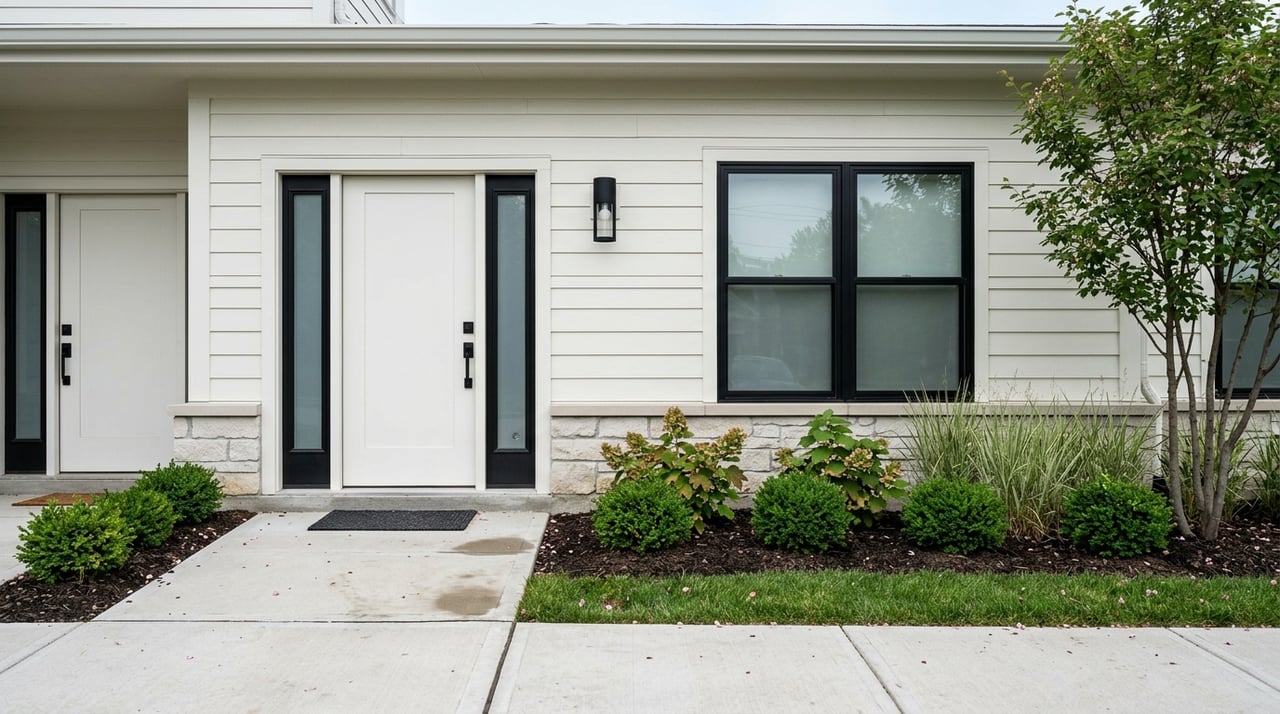
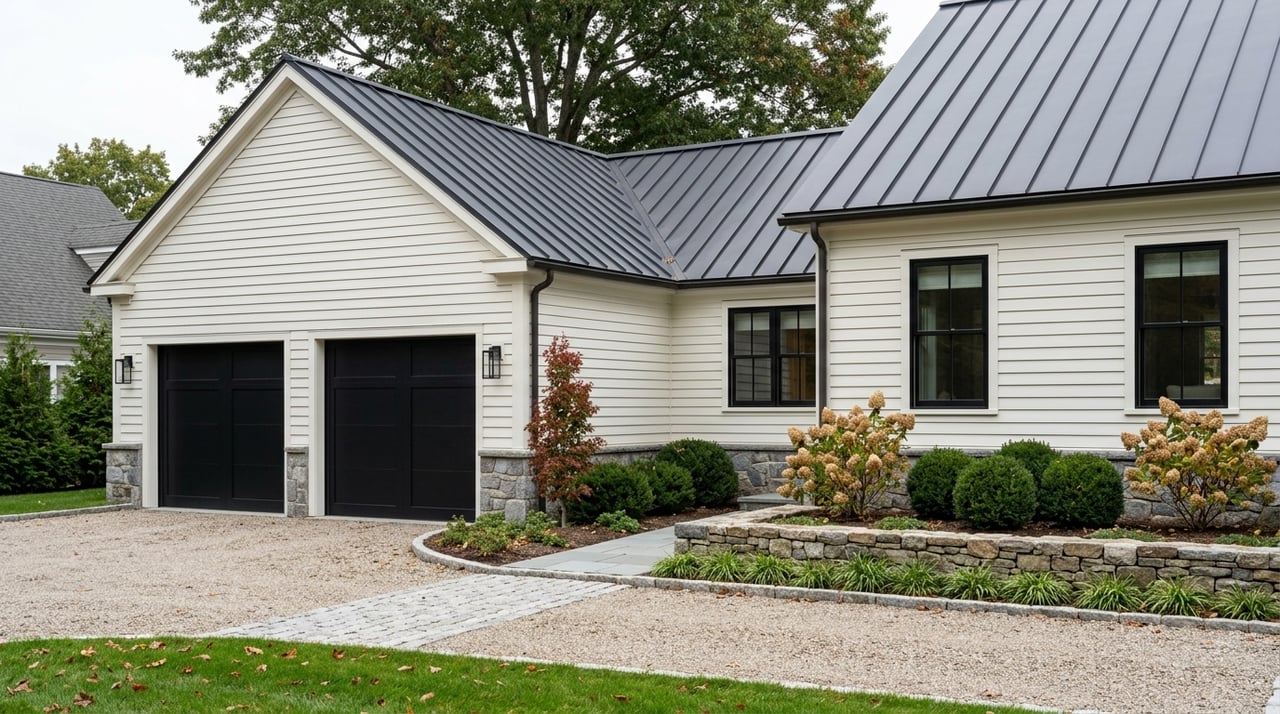
Avon’s housing story is shaped by post-1950s suburban growth. The town’s affordable housing background materials note that since 1957, most residential zones have been limited to one- or two-acre minimum lots, and about two-thirds of Avon’s land is zoned for single-family homes on one- or two-acre lots.
That helps explain why Avon often appeals to buyers who want a more spread-out suburban setting. The same source also notes that Avon added some townhouse and apartment development in the 1970s, but the town still reads primarily as a single-family market.
New supply also appears measured rather than fast-moving. Avon’s 2024-2025 budget materials report that 14 new single-family homes were permitted in fiscal year 2023-2024, which points to modest ongoing construction instead of large-scale expansion.
Simsbury homes and housing mix
Simsbury is also dominated by detached single-family homes, but the housing mix is broader. A Simsbury housing and school-impact analysis reports 9,492 housing units, 96% occupancy, 74% single-detached units, and about 78% owner-occupancy among occupied units.
Town planning materials also point to a wider range of housing types, including moderate-income efficiency apartments, subsidized rentals, housing for older residents, and the 50-unit Eno Farms affordable project. In early 2025, the town also approved zoning changes that allow accessory dwelling unit updates and a new R-8 district, signaling a move toward more housing variety and smaller-lot options.
For buyers, that means Simsbury may offer a somewhat wider range of housing formats and neighborhood patterns than Avon. Avon is typically easier to characterize as consistently large-lot and suburban.
Town Character and Daily Feel
Avon’s suburban layout
Avon’s town identity is tied to its suburban road network, open space, and residential layout. The town describes Avon Center as the traditional village, but its own planning materials note that the center expanded along Route 44 and became more automobile-oriented over time, even while preserving New England charm and many 19th-century structures. You can see that in the town’s planning documents for Avon Center.
In practical terms, Avon often feels more dispersed. Many buyers like that because it supports a private, spacious suburban setting and a housing stock that is more consistently aligned with that experience.
Simsbury’s historic center
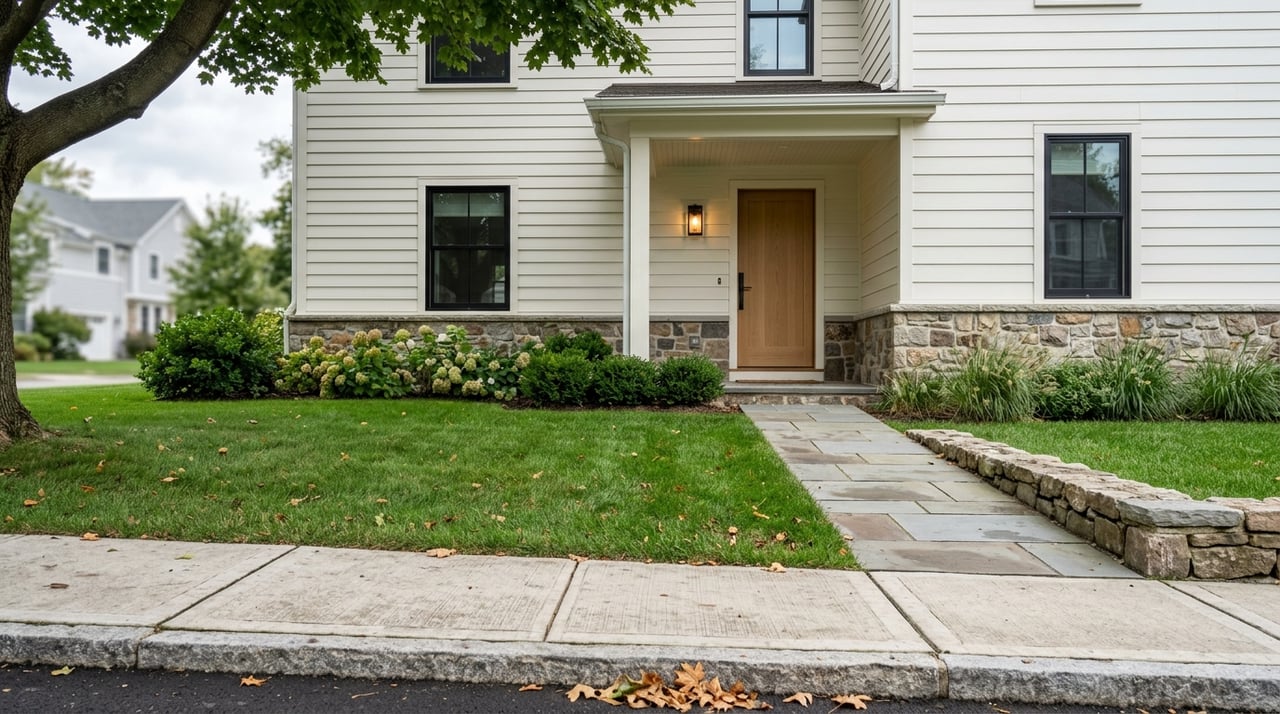
Simsbury has a more defined historic downtown identity. The town’s tourism and historic resources describe a classic New England center along Hopmeadow Street with civic anchors such as the Simsbury Historical Society, Phelps Tavern Museum, and Simsbury Free Library.
That difference matters when you picture daily life. If you want a town with a more visible central corridor and a stronger historic visual character, Simsbury tends to stand out. If you prefer a more purely suburban pattern, Avon may feel more aligned with your goals.
Recreation and Outdoor Access
Avon trails and open space
Avon has meaningful outdoor amenities, especially if you enjoy trails and green space. The town highlights the Town Green, River Park, and the Farmington Valley Greenway as key community assets. Avon’s recreation planning materials describe its section of the Farmington Valley Greenway as roughly 4.5 to 5 miles within a broader 40-mile trail network linking toward Simsbury and Farmington.
For many buyers, that gives Avon strong everyday recreation value even without a highly concentrated downtown environment. The outdoor appeal is real, but it is spread across a more road-based landscape.
Simsbury parks and trail network
Simsbury has a broader recreation profile. According to the same regional planning context and Simsbury town materials, the town offers four state parks, the 235-acre Simsbury Farms complex, rails-to-trails access, kayaking opportunities, and about 75 miles of biking and walking trails. The town also says roughly one-third of Simsbury’s land is preserved as open space.
That gives Simsbury a stronger recreation identity overall. If your ideal weekend includes parks, trails, and a town culture that visibly centers outdoor access, Simsbury may have the edge.
Commute and Regional Convenience
On paper, commute times are very close. The Census data shows a mean travel time to work of 24.8 minutes in Avon and 25.8 minutes in Simsbury, so neither town has a major advantage on average.
Avon is served by Routes 10, 44, 167, 177, and 202, and the town notes that Interstate 84 is about six miles south. The same source says Bradley International Airport is about a half-hour drive north, with passenger and freight rail service available in Hartford.
Simsbury also sits about 10 miles from Hartford and highlights routes including 10/202, 44, 167, 185, 189, 309, and 315. The town also describes itself as being minutes from Bradley International Airport.
Simsbury does have one additional mobility feature worth noting. Its Dial-A-Ride program provides local transportation for errands and appointments, with service to Avon on Wednesdays and Fridays. Still, for most buyers, the real difference is not total commute time. It is which route network and daily pattern feel easier for your work, errands, and routine.
Which Town May Suit You Better?
Avon may be a better fit if you want
- A more owner-occupied housing base
- Larger-lot single-family neighborhoods
- A suburban layout with a more spread-out feel
- Housing stock that is generally easier to describe as post-1950s suburban in character
Simsbury may be a better fit if you want
- A stronger historic downtown identity
- More visible town-center character along a central corridor
- Broader recreation infrastructure and trail access
- A somewhat more varied housing mix and evolving zoning framework
A Simple Side-by-Side Comparison
| Category | Avon | Simsbury |
|---|---|---|
| Population | 19,106 | 25,353 |
| Owner-occupied housing | 85.4% | 75.2% |
| Median owner-occupied home value | $479,700 | $443,500 |
| Mean commute time | 24.8 minutes | 25.8 minutes |
| Housing pattern | Large-lot, single-family oriented | Single-family dominant with broader mix |
| Town feel | More spread-out suburban | More historic and downtown-centered |
| Recreation identity | Greenway and open space assets | Parks, trails, and broader outdoor network |
The Bottom Line
If you are comparing Avon vs. Simsbury, the biggest difference is not commute time. It is the day-to-day setting. Avon tends to offer a more large-lot, owner-occupied suburban feel, while Simsbury offers a stronger historic center and a more established parks-and-trails identity.
That is why home search strategy matters so much here. Two homes at similar price points can offer very different experiences depending on which town you choose, what kind of lot you want, and how much you value a centralized downtown or recreation network.
If you are weighing Avon, Simsbury, or another Hartford County suburb, working with a local agent who understands the housing patterns, timeline logistics, and neighborhood differences can save you time and help you make a more confident move. If you want tailored guidance on where to focus your search, connect with Meghan Girard.
FAQs
What is the main difference between Avon and Simsbury for homebuyers?
- Avon is generally defined by larger-lot, more owner-occupied suburban housing, while Simsbury is known for a stronger historic downtown identity, broader recreation assets, and a somewhat more varied housing mix.
Are Avon and Simsbury close to Hartford?
- Yes. Both towns are about 10 miles from Hartford, and Census data shows average commute times are very similar.
Is Avon or Simsbury more owner-occupied?
- Avon is more owner-occupied based on the latest Census QuickFacts data, with 85.4% owner-occupied housing compared with 75.2% in Simsbury.
Does Simsbury have a more traditional town center than Avon?
- Yes. Simsbury has a stronger historic downtown identity centered along Hopmeadow Street, while Avon Center is described by the town as having become more automobile-oriented over time.
Which town has more recreation options, Avon or Simsbury?
- Both offer outdoor amenities, but Simsbury has the broader recreation profile with state parks, Simsbury Farms, extensive trails, and large areas of preserved open space.