If you are thinking about selling in Simsbury, speed alone is not a strategy. Homes may move quickly here, but buyers still notice condition, layout, and presentation right away. A smart pre-list plan can help you show your home at its best, avoid preventable delays, and feel more in control once your listing goes live. Let’s dive in.
Why prep matters in Simsbury
Simsbury remains a fast-moving market, but that does not mean you can skip the details. As of June 30, 2026, Zillow reports an average home value of $556,416 in Simsbury, up 6.1% year over year, with homes going pending in about 4 days. Realtor.com and Redfin show slightly different timing, but both still point to a market where buyer interest can build quickly.
That pace makes preparation even more important. When buyers are making decisions fast, visible issues, cluttered rooms, or missing paperwork can stand out more than you expect. The goal is not just to list your home. The goal is to launch it in a polished, ready-to-tour condition.
Start months before listing
The best results usually come from starting earlier than you think. If you wait until the week before photos to make big decisions, you may feel rushed and end up spending time or money in the wrong places.
A few months out, focus on repairs, records, permits, and any work that could require town review. This gives you time to make thoughtful choices instead of reacting under pressure.
Review past projects and paperwork
Begin by gathering records for any major work completed on the home. That can include roofing, siding, windows, electrical updates, deck work, a bathroom remodel, a basement finish, or an addition.
It also helps to collect warranties, invoices, and contractor information. Even if a buyer never asks for every document, having organized records supports a smoother transaction and makes it easier to answer questions with confidence.
Confirm permits for prior work
In Simsbury, permits are required before new construction, alterations, or repairs, and common projects often trigger building permit or zoning review. This can include additions, decks, bath remodels, basement finishing, roofing, siding, window replacements, sheds or gazebos over 200 square feet, and certain electrical or mechanical work.
If you have completed any of these projects, it is worth confirming whether permits were needed and whether the file is complete. Buyers are encouraged by state guidance to confirm permits and certificates of occupancy with the municipal building official, so it is better to identify questions early rather than during contract negotiations.
Check for town-charge issues
Simsbury also notes that building permits and certificates of occupancy will not be issued when taxes or other town charges are delinquent, effective October 3, 2025. If you are considering last-minute pre-list improvements that require permits, this is an important detail.
A simple check now can help you avoid delays later. It can also shape your decision about whether a repair is worth doing before listing or whether it makes more sense to focus on cosmetic presentation.
Know your Connecticut disclosure requirements
Before you list, take time to understand the disclosures that may apply to your sale. In Connecticut, preparation is not only about how your home looks. It is also about having the right information ready.
This step can reduce stress once an offer comes together, especially in a market where timelines may move quickly.
Residential Property Condition Report
Connecticut’s Residential Property Condition Report, revised 07/2025, must be provided before a buyer signs a binder, contract, option, or lease with purchase option. The current form states that the seller credit for not furnishing the report is $500 at closing.
The form also makes clear that sellers answer based on actual knowledge and that the report is not a substitute for inspections. That means honesty and organization matter. If you have repair records and a clear understanding of your home’s history, this step becomes much easier.
Lead-based paint disclosure for older homes
If your home was built before 1978, lead-based paint disclosure rules may also apply. Connecticut information notes that buyers generally receive a 10-day inspection period once under contract.
If this applies to your property, it is helpful to gather any records you already have before listing. Doing that early can help keep the transaction moving once a buyer is in place.
Foundation report in certain transactions
Connecticut also uses a separate Residential Foundation Condition Report in certain transactions involving towns identified by CRCOG as affected or potentially affected by crumbling foundations. The 07/2025 form says sellers answer to the best of their knowledge and are not required to investigate or inspect the foundation to verify answers.
If your transaction calls for this form, it helps to know that in advance. Being prepared with the right documents supports a calmer, more predictable listing process.
Focus on the highest-value prep tasks
Not every project delivers the same return in a fast market. In most cases, the best pre-list strategy is to tackle the items buyers will see first and react to fastest.
According to the 2025 staging survey, the most commonly recommended tasks were decluttering, whole-home cleaning, and improving curb appeal. That gives you a practical roadmap for where to spend your time.
Fix visible problems first
Before you think about décor, take care of issues that make a home feel neglected. Scuffed paint, loose hardware, worn caulk, sticking doors, or a broken light fixture can distract buyers and shift attention away from the home’s strengths.
This does not mean you need a full renovation. It means removing obvious friction so buyers can focus on space, light, layout, and condition.
Declutter room by room
Decluttering is one of the simplest and most effective steps you can take. In the 2025 staging survey, 91% of respondents recommended it.
Start with surfaces, shelves, mudrooms, closets, and storage-heavy spaces. The goal is to make each room feel open, functional, and easy to understand, not empty or impersonal.
Deep clean the whole home
Whole-home cleaning was also a top recommendation, cited by 88% in the same survey. Buyers notice cleanliness immediately, especially in kitchens, bathrooms, floors, and windows.
A clean home tends to photograph better and show better. It also signals care, which can shape how buyers perceive the property overall.
Improve curb appeal
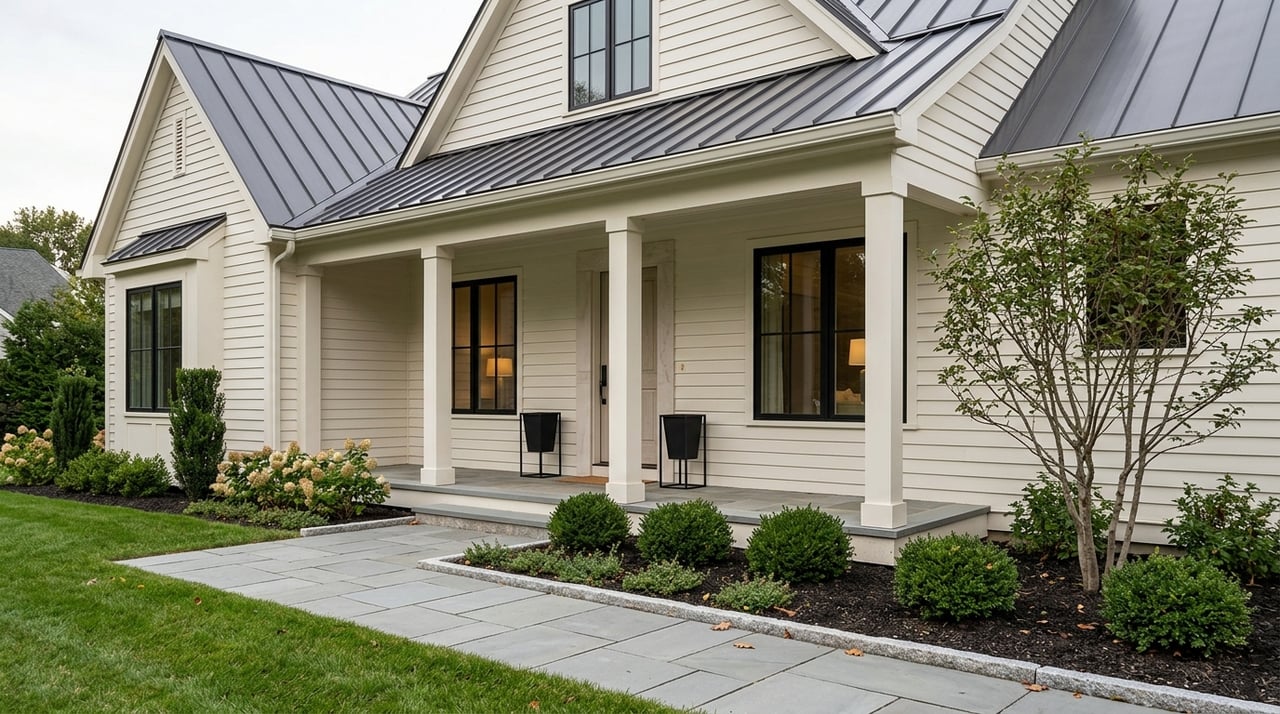
Curb appeal was another high-priority task, recommended by 77% in the staging data. In a market where buyers may decide quickly whether to book a showing, the exterior sets the tone.
Focus on basics like trimmed landscaping, a swept walkway, neat entry styling, and a well-maintained front door area. You do not need elaborate upgrades to create a strong first impression.
Stage the rooms that matter most
Staging helps buyers picture how they could live in the space. In the 2025 survey, 83% of buyers’ agents said staging made it easier for buyers to visualize a property as a future home.
That matters in Simsbury, where buyers may move from online interest to an in-person showing quickly. Clean, simple, well-edited rooms can help your listing feel more compelling from the start.
Prioritize living room, primary bedroom, and kitchen
The same survey found the most important rooms to stage were the living room, primary bedroom, and kitchen. If you are deciding where to focus effort first, start there.
These are the spaces buyers often remember most. A calm living area, a restful primary suite, and a clean, bright kitchen can lift the overall impression of the home.
Depersonalize without losing warmth
Depersonalizing is not about stripping your home of character. It is about removing distractions so buyers can focus on the home itself.
Family photos, very bold personal collections, and excess furniture can make rooms feel smaller or more specific to your lifestyle. A lighter touch usually works best, especially for photography.
Time photos for peak presentation
Professional visuals should happen after the house is fully ready. This sounds obvious, but it is one of the most common places sellers lose momentum.
The 2025 staging survey found that buyers’ agents rated photos as the most important listing tool, followed by physical staging, videos, and virtual tours. If the home is not ready when photos are taken, your first impression online may not match the home’s real potential.
Finish prep before photography day
Try not to schedule photos while repairs are still pending or while storage bins are stacked in the garage. Once the images are live, buyers will form opinions fast.
A disciplined sequence usually works best: fix visible issues, declutter, clean, stage key rooms, then photograph. In a fast market like Simsbury, that order helps you hit the market looking fully prepared instead of almost ready.
A simple pre-list timeline
If you want a clear plan, this timeline can help keep the process manageable.
| Timing | Focus |
|---|---|
| 2 to 3 months before listing | Gather records, review past projects, confirm permits, check town-charge issues, decide which repairs are worth doing |
| 3 to 4 weeks before listing | Complete minor repairs, paint touch-ups, carpet cleaning, landscaping, and exterior clean-up |
| 1 to 2 weeks before listing | Declutter, depersonalize, deep clean, stage main rooms, prepare disclosure documents |
| Final days before listing | Final touch-ups, professional photos, and show-ready setup |
Think like a buyer, not just a homeowner
One of the hardest parts of pre-list preparation is seeing your home with fresh eyes. You may be used to the way a room functions, even if it feels crowded or unfinished to someone walking in for the first time.
That is why a structured plan matters. When you prepare your Simsbury home through the lens of condition, presentation, and documentation, you put yourself in a stronger position from day one.
A thoughtful launch can help reduce stress, support stronger marketing, and make it easier for buyers to focus on what your home does best. If you want a clear plan for what to fix, what to skip, and how to time each step, Meghan Girard can help you prepare your home for a polished, market-ready debut.
FAQs
What should you do first before listing a home in Simsbury?
- Start by gathering records for past repairs or upgrades, confirming whether prior work required permits, and identifying any visible issues you want to fix before listing.
Do you need a property condition disclosure when selling a home in Connecticut?
- Yes. Connecticut’s Residential Property Condition Report must be provided before a buyer signs a binder, contract, option, or lease with purchase option.
Do permits matter when preparing a Simsbury home for sale?
- Yes. In Simsbury, many common projects such as additions, decks, bath remodels, roofing, siding, window replacements, and basement finishing may require permits or zoning review.
What rooms matter most when staging a home before listing?
- Based on the 2025 staging survey, the top rooms to prioritize are the living room, primary bedroom, and kitchen.
When should you schedule listing photos for a Simsbury home?
- Schedule photos only after repairs, decluttering, cleaning, and staging are complete so your online presentation reflects the home at its best.