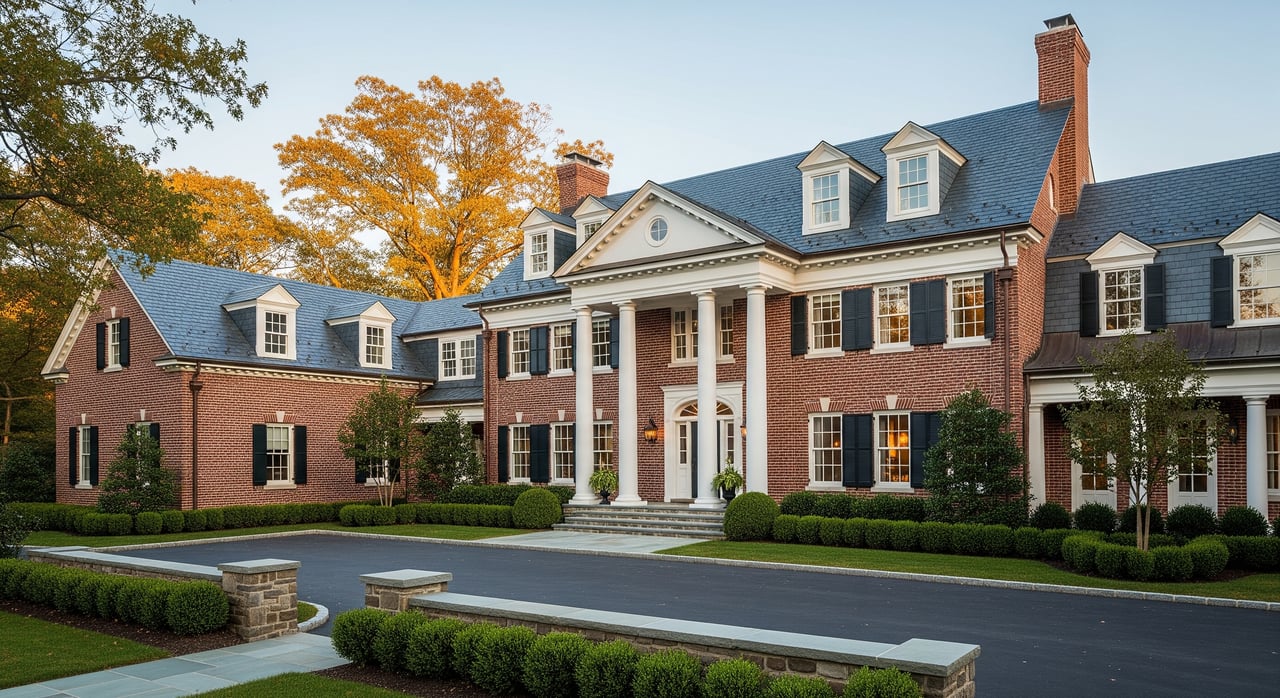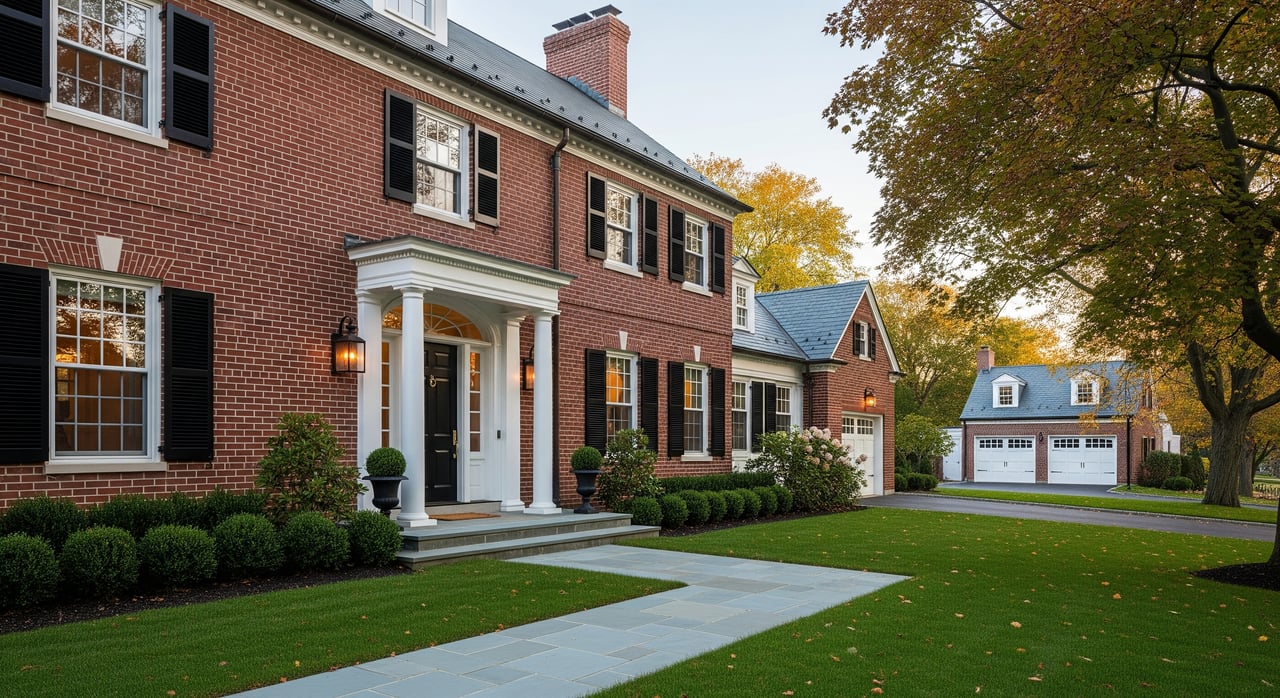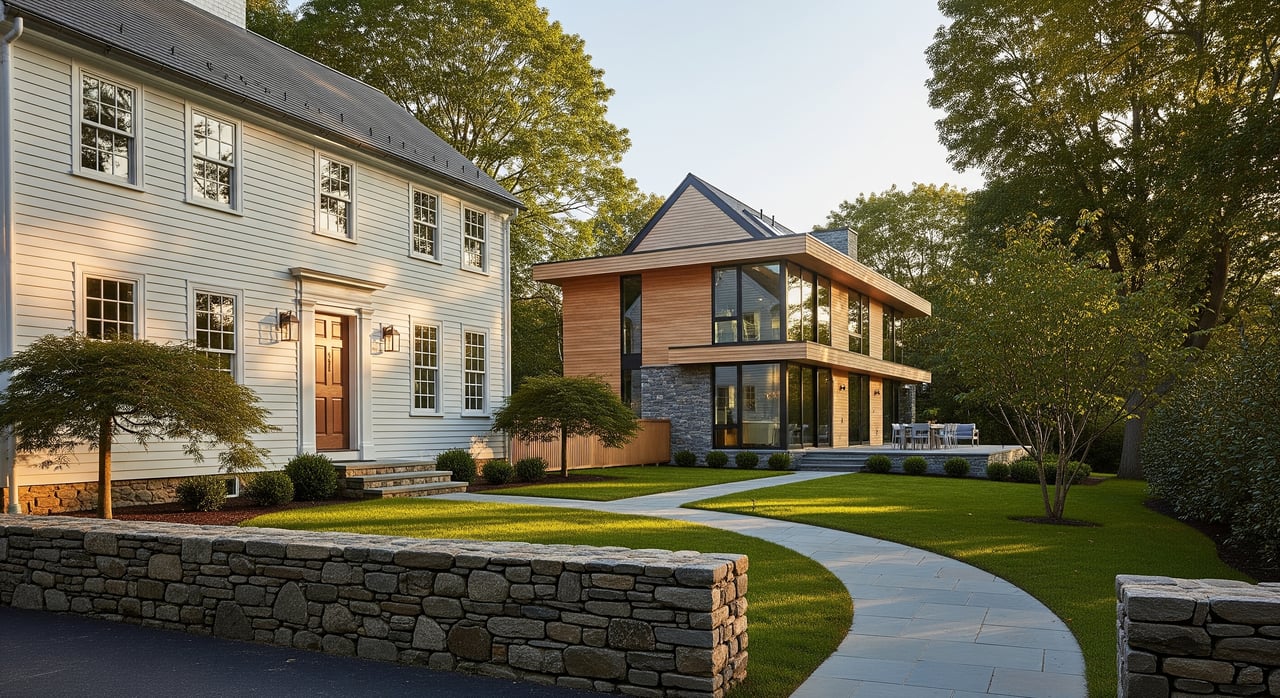
Torn between a brand‑new build and an established resale in Glastonbury? You are not alone. If you are relocating to Hartford County or moving up for more space, the right choice comes down to costs, timing, risk tolerance, and how much customization you want. This guide walks you through the key differences for Glastonbury buyers so you can make a confident, practical decision that fits your timeline and budget. Let’s dive in.
New construction: what you get
New homes in Glastonbury typically deliver modern systems, energy‑efficient design, and the chance to personalize finishes. You will also see builder warranties and homes built to current codes.
- Predictability for systems. New HVAC, roof, windows, and plumbing lower near‑term maintenance risk.
- Energy performance. Better insulation, windows, and ventilation help manage utility costs. Connecticut programs may further support efficiency goals.
- Customization options. Depending on the builder, you can choose layouts, finishes, and upgrades, especially with semi‑custom or custom builds.
- Builder warranties. Workmanship and systems are often covered for a defined period, with longer structural coverage for major defects. Always review written terms.
Potential tradeoffs include a purchase price premium, longer build timelines, and possible HOA or subdivision rules. Lot availability, permitting, and utility connections in Glastonbury can also influence cost and schedule.
Resale homes: what you get
Resale properties offer established neighborhoods, mature landscaping, and often a shorter path to move‑in.
- Faster occupancy. Most resale closings run about 30 to 60 days, depending on financing and inspections.
- Established setting. Mature trees, lot character, and neighborhood feel are already in place.
- Price flexibility. Purchase price can be lower than new builds for similar square footage, depending on location and condition.
Tradeoffs include possible deferred maintenance and renovation needs. Plan for inspections and potential repairs or upgrades such as roofs, windows, HVAC, and kitchens or baths.
Cost snapshot: purchase and beyond
Think beyond the sticker price. Your decision should include soft costs and operating costs.
- New construction costs
- Purchase premium for new systems and finishes.
- Lot development, impact fees, utility hookups, landscaping, and driveway completion.
- Upgrade selections beyond base allowances and change orders.
- Resale costs
- Inspection‑identified repairs and immediate renovations.
- Possible system replacements if components are near end of life.
On operating costs, newer homes typically perform better on energy use due to current code standards. Older homes can often be improved through insulation, HVAC updates, and other retrofits, though that may mean higher short‑term spend. For property taxes, Glastonbury assessments reflect value. New construction is typically assessed upon completion, and significant renovations to a resale can trigger reassessment. Confirm details with the Glastonbury Assessor.
Timeline: how fast can you move?
Your move date is one of the most decisive factors.
- New construction
- Spec home already underway or finished: about 1 to 3 months to close.
- Semi‑custom: roughly 6 to 12 months from contract to move‑in.
- Custom: about 9 to 18 months or more depending on design, permitting, weather, and site work.
- Delays can stem from utility extensions, municipal inspection timing, subcontractor availability, and supply chain factors.
- Resale
- Typical contract to close is about 30 to 60 days with standard mortgages.
- Often the best route for a fixed start date or quick relocation.
Inspections and warranties: reduce risk
Inspections and warranties work differently for new and resale homes, and both deserve attention.
- Resale inspections
- General home inspection, radon test, and termite or wood‑destroying insect checks if needed.
- If applicable: septic inspection, lead paint testing for pre‑1978 homes, oil tank sweep, and specialty evaluations for roof, chimney, or foundation concerns.
- New construction inspections
- Town inspections check code compliance during construction but do not replace an independent inspection.
- Independent inspectors should review at key stages, such as pre‑drywall and pre‑final, to capture punchlist items.
- Warranties
- Builders commonly offer short‑term workmanship coverage and longer structural coverage. Confirm what is covered, for how long, and how claims are handled.
- Resale homes do not include builder warranties, though you can purchase a third‑party home warranty for systems and appliances.
Customization vs. renovation: control and tradeoffs
- New construction choices
- Spec homes allow limited changes. Communities with option packages offer curated selections. Semi‑custom and custom builds expand your design control but add cost and time.
- Keep costs clear by confirming allowances, upgrade pricing, and how changes affect the appraisal and loan.
- Resale renovations
- You can prioritize the neighborhood, then phase updates like kitchens, baths, and energy upgrades over time.
- Unforeseen conditions can increase cost and extend timelines. Major work requires permits and inspections.
- In Connecticut, verify contractor registration, references, insurance, and permits before starting.
Financing: what changes by property type
- New construction financing
- Stand‑alone construction loans or construction‑to‑permanent loans may be used. Lenders evaluate builder credentials, plans, and the finished value.
- Funds are released in draws tied to inspections. Builder incentives may include rate buydowns or closing cost help. Review true costs and conditions.
- Appraisals are based on the completed home, and comparable sales can affect approval.
- Resale financing
- Conventional, FHA, or VA loans follow established timelines and underwriting. Pre‑approval helps streamline closing.
- Property condition can influence certain loan programs and appraisal results.
For relocators, match your financing and closing schedule to employment start dates. If you choose to build, consider a temporary housing buffer to manage potential construction variability.
Local Glastonbury factors
- Permits and inspections. The Town of Glastonbury’s building and zoning requirements govern permit reviews, inspections, and certificates of occupancy. Processing times and submission requirements affect start dates.
- Sewer vs. septic. Public sewer availability varies by neighborhood. Confirm service, connection fees, and any assessments before you finalize a lot or home.
- Wetlands and floodplain. Certain areas may require additional review for wetlands or drainage. Site engineers can evaluate feasibility and mitigation.
- Neighborhoods and schools. Many buyers value proximity to schools and community amenities. Verify current school assignments directly with the district and confirm neighborhood characteristics that matter to you.
- Market supply. Inventory can be tight for certain price points or neighborhoods. If your criteria are narrow, a new build or a spec home can expand your options when suitable resales are limited.
Quick decision matrix
Use these guideposts to match your priorities:
- Budget certainty
- Pick new construction if you value fewer near‑term repairs and predictable systems.
- Pick resale if you want to minimize initial purchase price and can manage renovation phases.
- Move timeline
- Choose resale or a builder spec home for a tight or fixed start date.
- Choose semi‑custom or custom new construction if your timeline is flexible.
- Customization
- Favor new construction for design control within builder options.
- Favor resale if you plan to renovate post‑closing at your own pace.
- Risk tolerance
- New construction lowers near‑term mechanical risk but can face build delays or change orders.
- Resale may carry hidden defects, making thorough inspections crucial.
- Energy and operating costs
- New construction is usually more efficient out of the box.
- Resale can improve with retrofits, though upfront costs may be higher.
- Financing complexity
- New construction loans are more complex and timeline‑sensitive.
- Resale mortgages are simpler and faster.
- Neighborhood character
- New subdivisions suit buyers who want modern layouts and uniform streetscapes.
- Established areas offer mature lots and landscaping.
How to decide: a simple plan
Follow this step‑by‑step process to reach a confident decision:
- Define your move date and must‑have features. Rank timing, layout, and location in order of importance.
- Set your total budget, including upgrades or renovation reserves and an energy‑efficiency plan.
- Tour both options. Walk a builder’s spec or model home and visit target resale neighborhoods at different times of day.
- Confirm logistics. Speak with the town about permits, sewer availability, and any site considerations for your preferred lot or area.
- Align financing early. Discuss construction‑to‑permanent versus standard mortgage options and appraisal timing with a lender experienced in Connecticut.
- Protect your downside. Schedule appropriate inspections and obtain all builder warranty documents in writing.
Choosing between new construction and resale in Glastonbury is about aligning costs, timing, and risk with your lifestyle. If you want design control and low near‑term maintenance, new construction may be the right fit. If you value faster occupancy and established neighborhoods, a resale could serve you better. When you are ready to compare specific homes and neighborhoods side by side, connect with Meghan Girard for a clear, project‑managed path to your next home.
FAQs
Should I skip a home inspection on a new build in Glastonbury?
- No. Municipal inspections focus on code compliance. Independent inspections at key stages help catch issues and document punchlist items before closing.
How do builder warranties work for Connecticut new construction?
- Most builders offer short‑term workmanship coverage plus longer structural coverage for major defects. Review written terms, exclusions, and claim procedures before you sign.
Can I negotiate price or upgrades with a Glastonbury builder?
- Often yes, especially on spec homes or during slower periods. You may negotiate upgrades, closing cost contributions, or appliance packages.
Will my Glastonbury property taxes change after renovations on a resale?
- Possibly. Significant improvements can prompt reassessment. Confirm policies with the Glastonbury Assessor before you start work.
What inspections are most important for Connecticut resale homes?
- Plan for a general home inspection and radon testing, plus septic inspections if applicable. For older homes, consider lead paint testing, an oil tank sweep, and specialty inspections as needed.