Thinking about buying a historic home in Wethersfield? You are not just shopping for square footage and charm. You are also stepping into one of Connecticut’s most established preservation settings, where the details of a roofline, window sash, or porch can matter as much as the layout inside. If you want to buy wisely and care for the home with confidence, it helps to understand how Wethersfield’s historic district works before you make an offer. Let’s dive in.
Why Wethersfield Historic Homes Stand Out
Wethersfield offers a rare mix of history and day-to-day livability. Old Wethersfield is the largest historic district in Connecticut, with roughly 1,200 structures in the district and more than 150 built before 1850.
That scale matters because a historic home here is not defined by age alone. In Wethersfield, historic status is closely tied to local preservation oversight through the Historic District Commission, which reviews many types of exterior changes, demolition, and new construction within the district.
Just as important, the town’s approach is not about freezing homes in time. The local handbook makes clear that preservation is meant to balance necessary change with compatibility, so owners can update and maintain their homes while keeping work harmonious with the historic setting.
What “Historic” Can Look Like in Wethersfield
One of the best things about Wethersfield is that historic homes here do not all look the same. The town includes buildings from many periods, and that variety shapes both the streetscape and the ownership experience.
Some of the best-known local examples show how wide that range can be. The Joseph Webb House, built in 1752, is a Georgian home with a large gambrel roof. The Silas Deane House reflects a later Georgian style with an asymmetrical façade and original piazza, while the Buttolph-Williams House has an earlier look with diamond-paned casement windows, clapboards, and hewn overhangs.
For you as a buyer, that means “historic character” may show up in very different ways from one property to the next. A home’s windows, porch details, chimney, roof form, and exterior materials can all reveal its era and help explain how future repairs or updates should be approached.
Windows Tell a Story
In Wethersfield, windows are often one of the clearest clues to a home’s age. Colonial and Federal-era homes commonly used 8-over-12 or 12-over-12 sash, while later homes moved toward 6-over-6 and then 2-over-2 patterns as glass production changed.
Victorian and Shingle Style homes tend to have more variation in window size and placement. If you are touring homes, pay attention to whether windows appear original, thoughtfully restored, or replaced in a way that may not align with the home’s period.
Porches and Entrances Matter
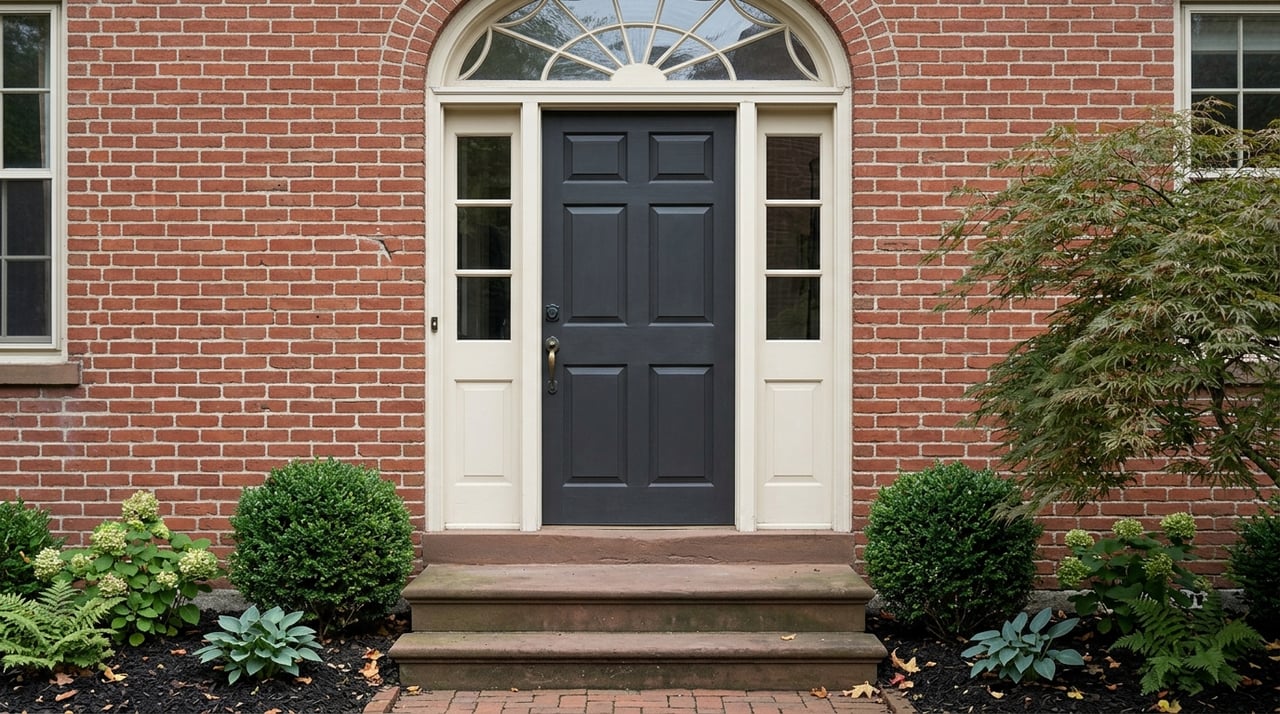
Entrances and porches are also major character-defining features. Earlier homes often have more formal centered doorways, and transoms or sidelights became more common after about 1780.
In later periods, porches became an important part of the house design. Wethersfield’s guidance discourages removing original porches and supports reconstruction based on historic precedent when an earlier porch has been lost.
Materials Shape the Look
Exterior materials also help define the house. The town handbook points to colonial clapboard, Victorian-era wood shingles, and later combinations that may include brick, stucco, and clapboard.
You will also see traditional roof forms such as gabled, hipped, and gambrel roofs, along with red-brick chimneys that may include corbelling. These are not small cosmetic details. They are often part of what gives the home and the street its historic identity.
What Buyers Should Know Before Making an Offer
If you are buying in Wethersfield’s historic district, one of the most important questions is not just what was updated, but how it was updated. Many exterior changes require a Certificate of Appropriateness before work starts, even when a feature is only partly visible from the street or screened by landscaping.
The town’s ordinance list covers a wide range of items, including windows, doors, porches, siding, roofs, chimneys, gutters, decks, fences, HVAC equipment, solar panels, and similar site features. Interior alterations and exact in-kind maintenance are handled differently and often do not require commission action.
This is why due diligence matters so much. Before you move forward, ask for records related to exterior work, especially for roofs, windows, siding, porches, additions, and mechanical equipment placement.
Ask for These Property Records
A well-prepared buyer should request:
- Certificates of Appropriateness for past exterior work
- Permits related to roofing, windows, siding, porches, decks, or additions
- Contractor invoices or project records
- Any plans or drawings used for approved improvements
- Information on the age and condition of major exterior elements
These documents can help you understand whether work was completed in a way that aligns with local requirements and the home’s historic character.
Historic Home Inspection Priorities
A general home inspection is important, but with a historic property in Wethersfield, you should pay special attention to the exterior elements that shape both condition and compliance. The town’s preservation guidance emphasizes repair over replacement and compatibility with the existing building.
That makes it smart to focus your inspection conversations on visible historic fabric and vulnerable exterior systems. A strong inspection strategy can help you budget more accurately and avoid surprises after closing.
Focus on These Areas
When evaluating a historic home, look closely at:
- Roof condition
- Chimney stability
- Siding and trim
- Windows and sash condition
- Porch structure and detailing
- Masonry condition
- Gutters and drainage
- Foundation condition
- Placement of HVAC and other mechanical equipment
These areas are practical concerns, but they also connect directly to the town’s preservation expectations.
How to Plan Updates the Right Way
Owning a historic home in Wethersfield does not mean you cannot make improvements. It means you should plan them carefully and understand which choices are more likely to support both the home’s function and its character.
The local handbook encourages owners to restore original windows and sash where possible. It also warns against replacement approaches like snap-in grilles or grid-between-glass products that can change the appearance of the home.
Siding repairs are expected to match existing color, texture, and shape. Roofing guidance also favors preservation of original materials when feasible, and mechanical equipment is expected to be placed at the rear or side of the house and screened if visible.
For Larger Projects, Start Early
If you are thinking about an addition or another major exterior project, Wethersfield offers an optional pre-application meeting. The town strongly recommends this step for additions or new houses.
You are typically asked to bring plans, photos, and supporting materials. This early conversation can help you understand likely concerns before formal review begins, and the handbook notes that it does not start the 65-day review period.
Balancing Modern Comfort With Historic Character
Most buyers want a historic home to feel comfortable, functional, and well cared for. That goal fits Wethersfield’s preservation framework, as long as changes remain compatible with the home and the district.
The town’s guidance makes clear that additions should respect the original massing and character-defining features. It also emphasizes that deteriorated elements should be repaired rather than replaced whenever practical.
In real life, that usually means resisting the urge to make an older house look brand new. The better long-term approach is often to preserve the home’s story while making thoughtful updates that support how you live.
Solar and Mechanical Upgrades
Modern systems can be part of that plan, but they still need careful review. In Wethersfield’s historic district, solar panels are treated as regulated features, so early design review is a smart move.
The same goes for HVAC equipment and similar exterior components. Placement, visibility, and screening can all affect whether a proposal aligns with local expectations.
A Tax Credit May Help With Rehabilitation Costs
For some owner-occupants, Connecticut’s Historic Homes Rehabilitation Tax Credit may be worth exploring. According to the state, eligible applicants must be Connecticut taxpayers, at least one unit must be the primary residence, and the home must be listed on the State or National Register of Historic Places individually or as a contributing resource.
The program provides a 30% return on qualifying rehabilitation expenses, up to $30,000, with a minimum historic rehabilitation expenditure of $15,000. It is not a grant, and projects are evaluated using the Secretary of the Interior’s Standards for Rehabilitation.
This will not apply to every property or every project, but for the right home it can be an important part of your planning. If you are considering a historic purchase with renovation goals, it is worth confirming whether the property may qualify.
Why Process Matters When Buying Historic Homes
Historic homes reward buyers who take a disciplined approach. In Wethersfield, that means looking beyond finishes and staging to understand the home’s architecture, maintenance needs, past approvals, and the likely path for future updates.
That kind of planning can protect your budget, your timeline, and your expectations after closing. It can also help you make smarter decisions about which homes are truly a fit for your lifestyle and renovation comfort level.
If you are considering a historic home in Wethersfield, working with an agent who understands both property presentation and transaction process can make the experience much smoother. When you are ready to talk through neighborhoods, buying strategy, or how to evaluate a specific property, connect with Meghan Girard.
FAQs
What makes a home historic in Wethersfield?
- In Wethersfield, a historic home is tied not only to age but also to location within the historic district and local preservation oversight by the Historic District Commission.
What exterior changes need approval for a historic home in Wethersfield?
- Many exterior changes may require a Certificate of Appropriateness before work starts, including windows, doors, porches, siding, roofs, chimneys, gutters, decks, fences, HVAC equipment, solar panels, and similar site features.
What should buyers inspect first in a Wethersfield historic home?
- Buyers should pay close attention to the roof, chimney, siding, trim, windows, porch structure, masonry, gutters, foundation, and the placement of mechanical equipment.
Can you replace windows in a historic home in Wethersfield?
- Window work may require review, and the town’s guidance encourages restoration of original windows and sash where possible rather than using replacements with snap-in grilles or grid-between-glass designs.
Are additions allowed on historic homes in Wethersfield?
- Additions may be allowed, but they should respect the home’s original massing and character-defining features, and a pre-application meeting with the town is strongly recommended for larger projects.
Is there a tax credit for restoring a historic home in Connecticut?
- Connecticut offers a Historic Homes Rehabilitation Tax Credit for eligible owner-occupants, providing a 30% return on qualifying rehabilitation expenses up to $30,000, subject to program requirements.